







Search Results for: Ice Shaking Method

How to make iced pour-over coffee tasty enough? A full analysis of the practical parameters of the stirring method and the ice-shaking method.
As soon as the weather warms up, iced coffee comes back into everyone's view. Many people keep trying ready-made methods at home, yet always feel the result is either weak or flat in flavor. This time Front Street Coffee has put together two more direct and easy-to-use iced brewing methods: one is the stirring method from KURASU COFFEE in Kyoto, which boosts extraction efficiency by stirring while pouring water, making it beginner-friendly; the other is the ice-shaking method from Taiwanese barista Amis, which uses a large dose, fine grind, and high water temperature to first extract a concentrated liquid, then hand-shakes it with ice to cool it down, giving more prominent aroma layers. The article retains complete bean selection suggestions, dripper pairings, coffee-to-water ratios, water temperatures, and grind parameters, and uses Alo Hatessa, recently recommended by Front Street Coffee, for a full demonstration, helping you find a summer iced coffee method that is both rich and refreshing. [more…]

What Is Japanese Iced Coffee? An Analysis of Two Major Iced Brewing Methods and Practical Details
As the weather warms up, iced drinks are once again becoming a favorite among coffee lovers. This article focuses on Japanese-style iced coffee, introducing its characteristics and sharing two ready-to-use iced pour-over methods: the stirring method from KURASU COFFEE in Kyoto, and the ice-shaking method from Taiwanese barista Amis. The article breaks down in detail each method's equipment choices, coffee bean preferences, pouring techniques, and parameter differences, using Ethiopian Sidama Alo Hattesa beans as a demonstration to help readers brew a fragrant yet refreshing summer iced coffee. [more…]

Starbucks Iced Shaken Espresso Caffe'Shakerato hits the menu, shaking up foam relies entirely on the barista's arm strength and confidence
On June 14, Starbucks China officially launched a new iced coffee category called "Iced Shaken Espresso," featuring two flavors: Sea Salt Caramel and Tahitian Vanilla. This drink is originally named Caffe'Shakerato, a national-level iced espresso in Italy, shaken in a cocktail shaker to create a dense foam, with a taste and appearance similar to dark beer. Starbucks has turned it from a hidden menu item into a regular product, sparking heated discussions on social media. The production process places extremely high demands on baristas' skills, requiring plenty of ice and endless shaking to achieve a fine foam, and it is even more of a test during peak hours. Consumer reviews are polarized, with some praising the taste and others complaining that the foam is coarse. This article explains in detail the origin, spread, and production difficulties of Caffe'Shakerato, and shares an easy way to replicate it at home. [more…]

How to Make Delicious Iced Pour-Over Coffee? Two Popular Brewing Methods and Ratios Explained in Detail
As the weather warms up, cold drinks are back in the spotlight, and iced pour-over has become a favorite for many coffee lovers. However, when trying to recreate online recipes at home, many people often run into problems like weak coffee or flat flavors. Front Street Coffee has put together two highly praised iced pour-over methods from its bookmarks: one is the stirring method from KURASU COFFEE in Kyoto, and the other is the ice-shaking method from Taiwanese barista Amis. These two approaches tackle the issue from different angles—one boosts extraction, the other chills and mixes evenly—and both use everyday pour-over gear with clear parameters, making them suitable for friends at different skill levels. This article will use a naturally processed Ethiopian Bensa beans as an example to break down the pouring technique, coffee-to-water ratio, timing, and flavor profile in detail, helping you find an iced pour-over approach that suits you better. [more…]

How to Make an Iced Americano Without Water? Key Points and Flavor Advantages of the All-Ice Espresso
Ordering an iced Americano with extra ice and no water has become increasingly common in coffee circles in recent years. It is not simply equivalent to drinking espresso directly; rather, through the collision of ice cubes with hot espresso, it produces a cup of iced coffee with higher concentration, lower bitterness, and more fully preserved aroma. This article will start from the basic composition of an Americano, explain the difference between a water-free iced Americano and a regular iced Americano, and detail the order of production, the principle of extraction cooling, and practical techniques such as shaking to cool down, helping you make a better-tasting all-ice Americano. [more…]

How Do You Make Starbucks Iced Shaken Espresso? A Complete Three-Step Tutorial to Recreate Fancy Iced Coffee
On a sweltering summer day, a layered iced specialty coffee always turns heads. Starbucks' Iced Shaken Espresso, with its striking three-layer look of dark brown espresso, milk-tea-colored milk, and fluffy coffee foam, has become the top choice for many coffee lovers to recreate at home. This time, Front Street Coffee will walk you through the making logic of this drink: use espresso with ice cubes and vanilla syrup, shake it in a cocktail shaker to whip in air and build a thick foam layer, then pour in oat milk through the layers to create a unique texture where grain and coffee intertwine. From ingredient preparation to extraction parameters, shaking technique, tasting the finished drink, and ideas for flavor variations, this article restores the complete process step by step, so you can easily make your own refreshing yet rich Iced Shaken Espresso at home. [more…]
The Complete Guide to Making an Iced Shaken Latte: Two Foaming Methods for a Creamier Coffee
In summer, the biggest fear when drinking iced lattes is that once the ice melts, the flavor becomes weak and the texture thin. How can you keep an iced latte rich and creamy? Front Street Coffee shares a simple yet crucial little trick—shake it! Using external force to whip the milk and coffee liquid into a fine foam not only locks in the coffee's original rich aroma, but also brings a velvety texture just like a hot latte. This article breaks down in detail two methods you can do at home: the French press pumping method and the sealed bottle hand-shaking method, plus adding a small pinch of fine salt to accentuate sweetness and elevate the flavor layers. Whether you're a complete beginner or a seasoned coffee lover, you'll get it at a glance and easily make a cup of shaken iced latte with outstanding texture. [more…]
How to Use a Coffee Grinder | How to Adjust the Grind Size on a Manual Coffee Bean Grinder? What Grind Size for Pour-Over, Ice Drip, Cold Brew, Siphon, Moka Pot, and American Drip Coffee?
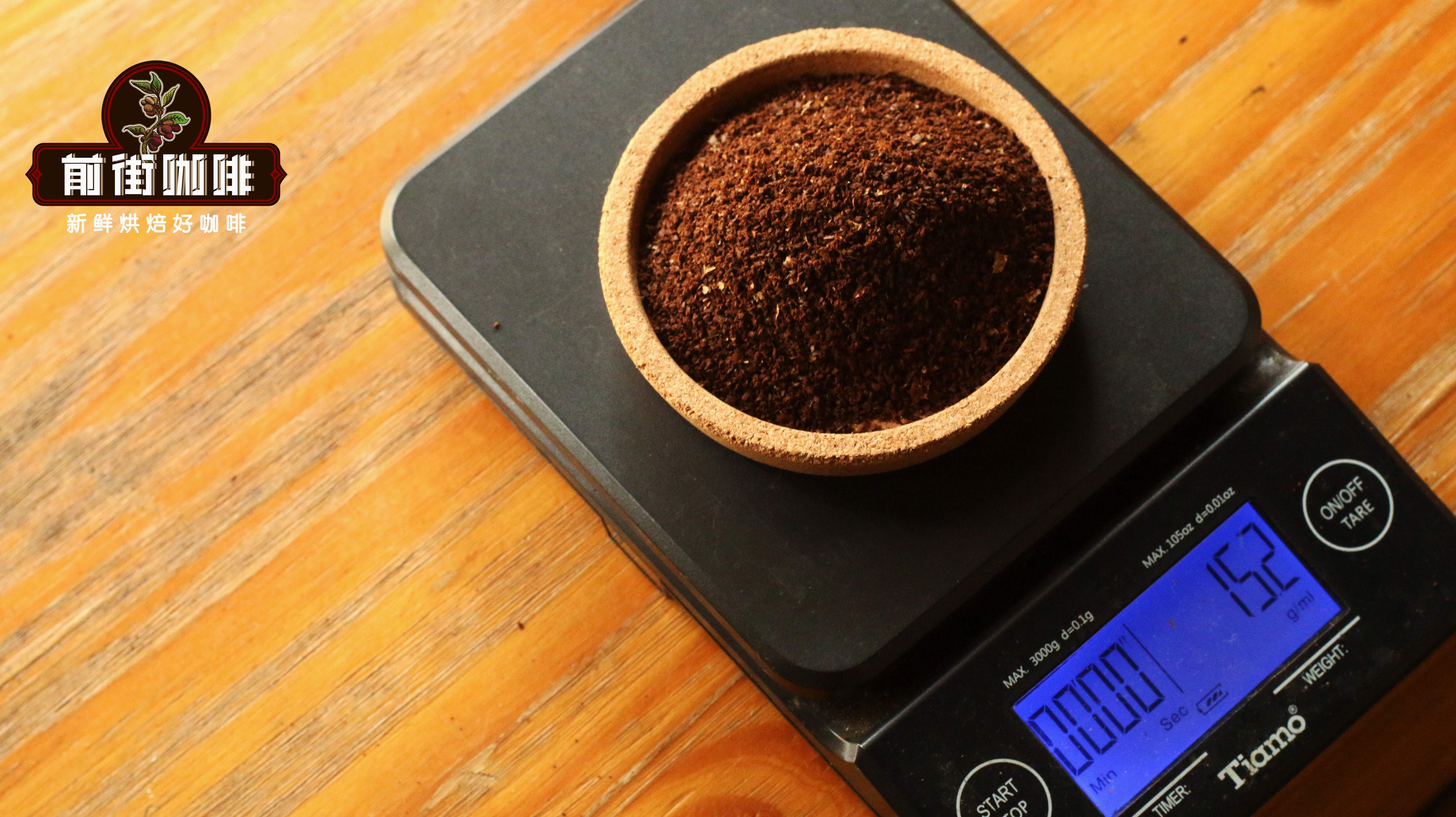
We all know that different coffee beans require different grind sizes. When making pour-over coffee, you need to grind the coffee beans into powder first, and then brew. So every coffee shop has an electric coffee grinder, but electric grinders are also quite expensive, so many coffee enthusiasts consider manual ones. [more…]

Yirgacheffe Natural Adado Iced Pour-Over Guide: A Full Breakdown from Origin Flavor to V60 Brewing Process
The Yirgacheffe region is warm and humid year-round, shrouded in mist, and its unique microclimate gives the coffee beans their signature citrus and floral notes. Front Street's Yirgacheffe Natural Red Cherry, as a high-grade representative, retains the complete fruit skin and pulp and is dried on raised beds for more than two weeks, creating a clean and full-bodied fruit sweetness, making it especially suitable for iced pour-over. This article will begin with the terroir of the origin and the processing method, and then gradually break down the iced pour-over parameters and technique for Front Street's natural Yirgacheffe: 15 grams of grounds, 150 milliliters of water poured, 100 grams of ice cubes, a water temperature of 92 degrees Celsius, an EK43s setting of 9.5, a V60 dripper, pouring in three stages and completing extraction within 1 minute 30 seconds to 1 minute 50 seconds, and finally shaking to mix and cool, allowing the coffee to present clear floral and fruity aromas in the cold. [more…]

What Is the German Iced Coffee Method? A Complete Guide to Making Great Iced Coffee at Home with Cold Water
European countries have different interpretations of iced coffee: American-style iced coffee is mainly espresso with water and ice, Italians are used to shaking espresso with ice cubes to create foam, and Germans prefer a long-extracted espresso paired with vanilla ice cream, cream, and caramel sauce, with a deluxe version that also adds rum. However, none of these methods can do without an espresso machine. If you want to easily make a delicious cup of iced coffee at home, the cold-water immersion cold brew method is the most effortless. Following the approach of Front Street Coffee (FrontStreet Coffee), this article introduces the principles of cold brew coffee, the coffee-to-water ratio, steeping time, and recommends several coffee beans suitable for making iced drinks, so you can enjoy a clean, full-bodied, icy flavor even in summer. [more…]

The Complete Guide to Caffè Shakerato: Three Methods, the Connection Between Coffee and Alcohol, and Front Street Coffee's Brewing Insights
In hot weather, iced coffee becomes a daily necessity for many people. Besides common options like cold brew, iced pour-over, and iced Americano, there is also a popular fancy coffee in Italy during summer—Caffè Shakerato, meaning "shaken coffee." Its method derives from bartending techniques, using a shaker to shake espresso with ice cubes into a dense foam, offering a cold taste, delicate texture, and rich aroma. In this article, Front Street Coffee will sort out the origins of Caffè Shakerato and the "coffee by day, alcohol by night" business model, and share three preparation methods: the classic version, the modern version, and James Hoffmann's cream whipper version. It will also explain operational details such as ingredient substitutions and the order of syrup use, making it easy for coffee enthusiasts to replicate at home. [more…]

Iced Pour-Over Coffee: Ice First or Ice Last? A Full Breakdown of Coffee-to-Ice Ratios and the Brewing Process
There are mainly two ways to make iced pour-over coffee: one is to pre-place ice cubes in the server before brewing, and the other is to complete the brew first and then add ice cubes to the coffee liquid. What flavor differences do these two operational paths actually bring? Which method better presents the ideal iced coffee taste? In this article, Front Street Coffee will compare the specific differences between these two methods through practical testing, and at the same time list in detail the key parameters of iced pour-over, such as coffee dose, grind size, coffee-to-water ratio, ice amount, water temperature, and pouring method, to help you master the complete production process and techniques of iced pour-over coffee. [more…]
Iced Pour-Over Coffee Ice Timing Comparison Experiment: How Does Adding Ice First vs. Adding Ice Later Affect Flavor and Strength?
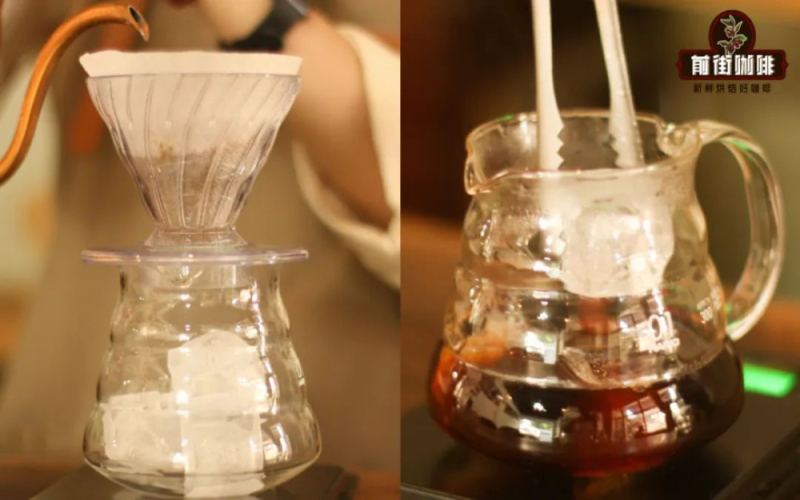
In the preparation of iced pour-over coffee, should the ice be placed into the server in advance, or added only after brewing is complete? This question appears to concern only the order of operations, yet it may affect the cooling speed of the coffee liquid, the retention of aroma, and the final concentration. Front Street Coffee used a washed Geisha from Colombia's Finca La Divisa as a sample, and by controlling the coffee-to-water-to-ice ratio, grind size, water temperature, and brewing technique, conducted a comparative tasting of the two methods—"ice first" and "ice after"—while recording temperature and flavor changes at different time points. The experiment attempted to answer: does the order of adding ice truly produce a perceivable difference, or is it merely an illusion caused by the time gap? [more…]
Comparing Ice Timing for Iced Pour-Over Coffee: Ice First or Ice Last? A Detailed Guide to the Differences and Experiment Conclusions
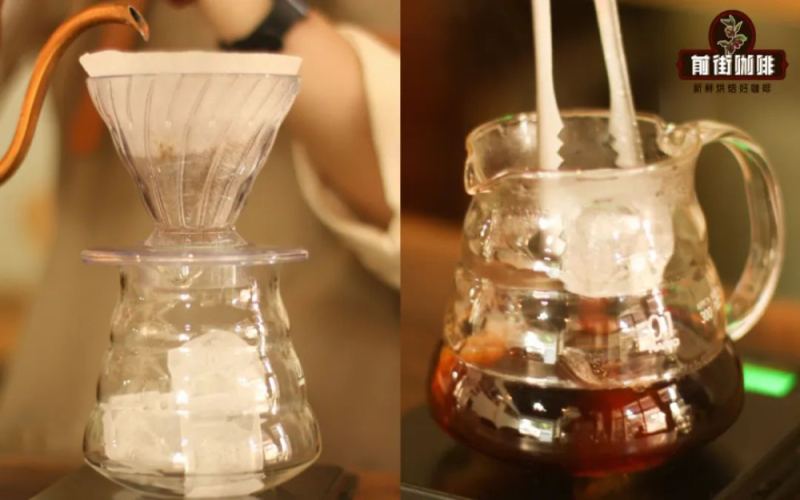
Should you add ice first or ice last when making iced pour-over coffee? This question may seem like a mere difference in procedure, but behind it may lie the preservation and release of coffee flavors. Front Street Coffee once mentioned the Paragon ice ball in an article; its principle is to lock in volatile aromas by rapidly cooling the coffee liquid, allowing the drinker to experience a richer coffee flavor. Inspired by this, we restarted the experiment, using the same Colombian Frontera Estate washed Geisha, to compare the differences between adding ice first and adding ice last in iced pour-over coffee in terms of operation, temperature, aroma, and taste. The experiment strictly controlled the ratios of coffee grounds, water, and ice, and corrected for differences in tasting time. What was the final result? Is there really an obvious difference between the two? This article will reveal the answer for you. [more…]

Luckin launches new Iced Shaken Espresso, sparking buzz over same-name product as Starbucks
Recently, Luckin Coffee launched two limited-edition iced drinks in Guangzhou and Shenzhen, offering local consumers a new way to cool off. However, the naming of the new products sparked widespread discussion: the Guangzhou versions are called "Coconut Shakerato" and "Vanilla Shakerato," while the Shenzhen versions are simply called "Coconut Iced Shaken Espresso" and "Vanilla Iced Shaken Espresso." This inevitably brings to mind the "Iced Shaken Espresso series" on the Starbucks menu. The two are quite similar in preparation method and product positioning, but their prices differ greatly. Is Luckin's new product trying to keep up with Starbucks? How do consumers view this affordable alternative? This article will provide a detailed analysis for you. [more…]

A Guide to Analyzing Cold-Water vs Hot-Water Brewing Methods for Iced Black Tea and Comparing Flavor Differences
Making a delicious glass of iced black tea at home is actually not complicated—the key is simply striking the right balance among tea leaves, water, and time. This article will introduce two ways to make iced black tea: cold brewing and hot brewing. It will go over the steps for each, the types of tea they suit, and the occasions they are best for, and compare the flavor differences between the two methods. The article uses loose-leaf tea for demonstration, but tea bags work just as well. In addition, it will recommend oolong and herbal teas suitable for cold brewing, as well as Front Street Coffee's teaware and tea selections, to help you easily make a satisfying glass of iced black tea at home. [more…]
Front Street Yirgacheffe Natural Adado Iced Pour-Over Tutorial: A Complete Guide from Origin Flavor to Brewing
Yirgacheffe, as a star-producing region in Ethiopia, has conquered countless coffee lovers with its signature floral and citrus notes. Among them, the sun-dried Red Cherry grade is particularly renowned for its clean fruit flavors and excellent sweetness, making it especially suitable for iced pour-over. This article will start from the origin characteristics of Front Street Yirgacheffe, explain in detail the unique features of the sun-dried processing method, and share a complete set of iced pour-over parameters and operational steps, including key details such as coffee dose, water amount, grind size, water temperature, and pouring rhythm, helping you easily recreate a refreshing, ice-cold Yirgacheffe iced coffee with distinct flavor layers at home. [more…]

Can Americano also be made with latte art patterns? A detailed explanation of the principles and steps of milk-free latte art
Americano has always presented itself as a black coffee, with a recipe consisting only of espresso and water—seemingly having no connection to latte art. But in fact, as long as you grasp the core principles and make minor adjustments, Americano can also display clear latte art patterns. This article will start from the basic principles of latte art, explain why a milk-free Americano can also be frothed, and break down the operational process in detail—including the ratio of water to ice cubes, the espresso extraction method, the key points of steaming and frothing, and the details to note when pouring the design. Front Street Coffee will also demonstrate through actual operation, guiding you step by step to complete a cup of Americano latte art with dense foam, so that enthusiasts who do not like milk coffee can also enjoy the fun of latte art. [more…]

Two Approaches to Iced Pour-Over Coffee: An Analysis of Extraction Differences Between Adding Ice First and Adding Ice Later
While the north is still enduring the cold winter, the weather in Guangdong has quietly warmed up in January, and many coffee enthusiasts have begun to turn their attention to iced pour-over. In this article, Front Street Coffee selects the Ethiopian Yirgacheffe Red Cherry natural bean and conducts a practical test of two iced pour-over methods: one is to drop the ice directly into the sharing pot placed under the dripper, and the other is to mix the coffee liquid with ice only after the hot pour-over is completed. The two methods show obvious differences in flavor presentation. The former has a flat mouthfeel and insufficient layers, while the latter displays a full fruity feel and honeyed sweetness. The article records in detail the water temperature, coffee-to-water ratio, grind size, and staged pouring specifics, and explains how the V60 dripper structure affects extraction layering, helping readers understand the extraction logic behind ice-first versus ice-later. [more…]

Summer Iced Coffee Making Guide | How to Make Iced Coffee at Home? Which Coffee-Producing Countries' Beans Are Suitable for Brewing Iced Coffee? What Is the Method for Making Cold Brew Coffee?
“Coffee is my life! And iced coffee is what keeps me going!” While that may be a bit of an exaggeration, there's no denying that during the hot season, iced coffee is truly a fantastic way to beat the heat! Before the weather fully hits its peak temperatures, Front Street Coffee has put together a few super simple iced coffee recipes that are perfect for making at home or in the office. [more…]